 English
  Russian
  Korean
  Indonesian
  Spanish
  Thai
Thai 

-768x768.webp)
The productivity of a filling line is not solely dependent on the rate at which the filler works. The characteristics of the liquid, size of the bottle, efficiency of filling, among other things, determine how many bottled products will be produced in an hour. Monoblock Bottle Filling Machine combines several operations involved in packaging in one single machine to facilitate ease of production and minimize time for transferring goods from one stage to another in the process of packaging. However, its productivity is reliant on its efficiency. 1. How Is Monoblock Bottle Filling Machine Speed Measured? Bottles Per Minute and Hourly Output The velocity of machines is measured in BPM or BPH. These statistics serve as initial information for equipment comparison, but a client should know the distinction between the theoretical capacity of the machine and the quantity of bottles that can be produced during one shift. The basic formula will look like this: Output per hour = Bottles per minute...
-768x657.webp)
Blister packaging machines have all of these functions (forming, product feeding, lidding, sealing, registering, cutting, discharging) performed within one cycle. Due to such integration, any failure of a particular station may result in defective packaging, waste of materials, and lower productivity. Possible failures may vary from improper sealing to misalignment of cavities, empty pockets, film wrinkling, incorrect cutting, stopping, sensor alarms, etc. Troubleshooting of the blister packaging machine consists in the detection of the point of initial malfunction rather than blind changing of the machine parameters. What Are Common Problems with a Blister Packing Machine? Poor or Inconsistent Sealing Among many other checkpoints, sealing is of particular importance, as even a faulty seal or micro-leaks can result in an unacceptable appearance of the blister. Some reasons may be incorrect temperature, absence of pressure, insufficient dwell time, contamination on the surface of sealing...
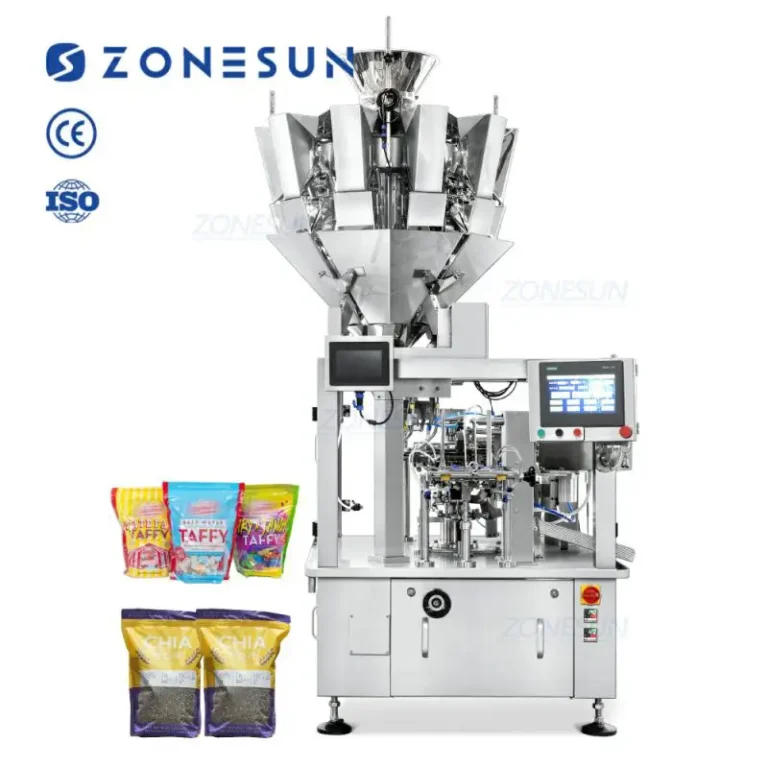
There are great differences between food products in terms of their size, shape, moisture content, viscosity, and flowability; therefore, packaging systems are not identical for all of them. Food packaging equipment can be adapted to process a variety of food products, including rice and grains, sauces, snacks, meat, seafood, and frozen foods. In other words, the process of packaging will depend on the nature of the food product being processed. When selecting packaging machinery, manufacturers should consider factors such as speed of processing as well as the weight, particle size, moisture, temperature, viscosity, package dimensions, and required shelf life of the product being processed. There might be cases whereby food packaging machines will include several processes such as weighing, filling, sealing, coding, and inspections in an effort to enhance consistency in production. 1. What Types of Food Can Be Packaged by Food Packaging Equipment? Dry and Granular Foods Among the most commonly...
-768x768.webp)
The selection of packaging machines influences the production speed, consistency in the packing process, available floor area, and the amount of labor needed. Examples of these are the horizontal packing machine and the Vertical Packing Machine. While both of these types of packaging machines can automate the processes of bag forming, filling, and sealing, there is a difference in terms of the packaging direction that each one uses. What Are Horizontal and Vertical Packing Machines? Horizontal and vertical packing machines perform the same packaging functions; however, their designs and material flows are different. Typically, the materials pass through a horizontal film flow in a horizontal packing machine, whereas in a vertical packing machine, the material is formed and filled vertically. The selection of the two types of packaging machines largely depends on the nature of the products and how they behave in the packing process. How Does a Horizontal Packing Machine Work? A horizontal...
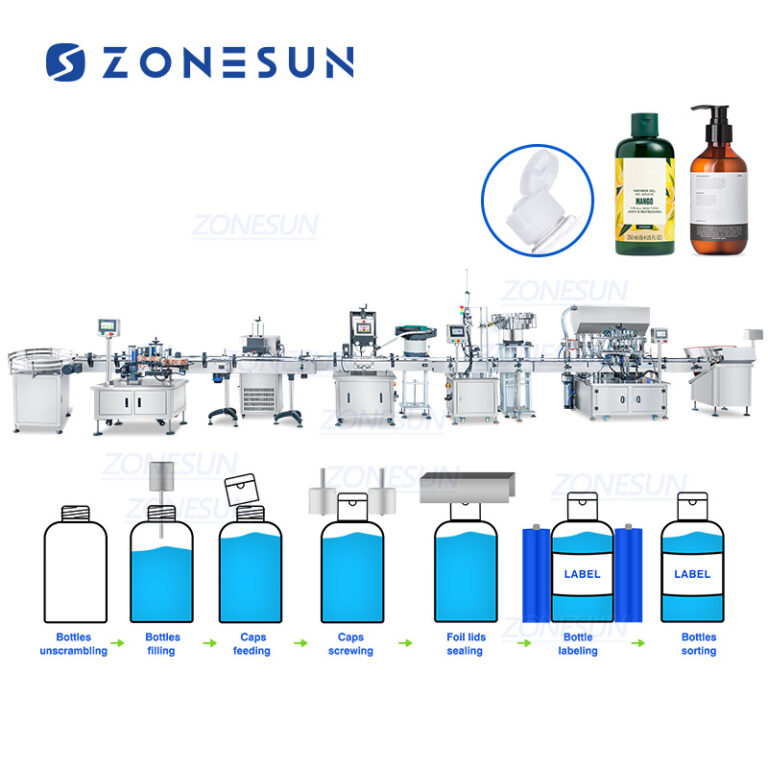
Lotion is a widely used personal care and cosmetic product. Different kinds of lotions come with different characteristics. Their viscosity, flow behavior, filling volume, and packaging formats will be different. For this reason, choosing the right Lotion Bottling Line involves more than looking at the machine’s production speed. Product properties, bottle design, filling accuracy, and expected output all need to be considered. A well-matched line can help reduce filling errors, material waste, and unnecessary production downtime. 1. Choose the Filling Method Based on Lotion Characteristics The first thing that should be considered in the process of selecting the Lotion Bottling Line is knowing about the physical properties of the lotion. Lotions tend to be more viscous compared to other liquids like water, and therefore, a different filling mechanism will be needed. This is because a mismatch between the lotion and the pumping/filling mechanism can lead to problems such as drips....
Jam manufacturing process is one part of the whole production. When jam manufacturing is finished, manufactures need to pack jams into containers. Handling these tasks manually might still be manageable for the small workshops. However, once the order quantity increases, manual packaging will not match the required volume. This is where an industrial jam bottling line can make a real difference. A modern jam bottling line can automate much of the packaging process, helping food manufacturers fill containers more consistently and move products through the line with less manual work. Depending on the setup, the line can include jam filling, cap placement, capping, sealing, labeling, date coding, inspection, and even carton packing. Of course, buying a complete packaging line is a major decision. The equipment with the fastest rated speed on paper might not be the best fit for your factory. Jam is thick and viscous, and may contain fruit chunks, so the filling equipment must be compatible...
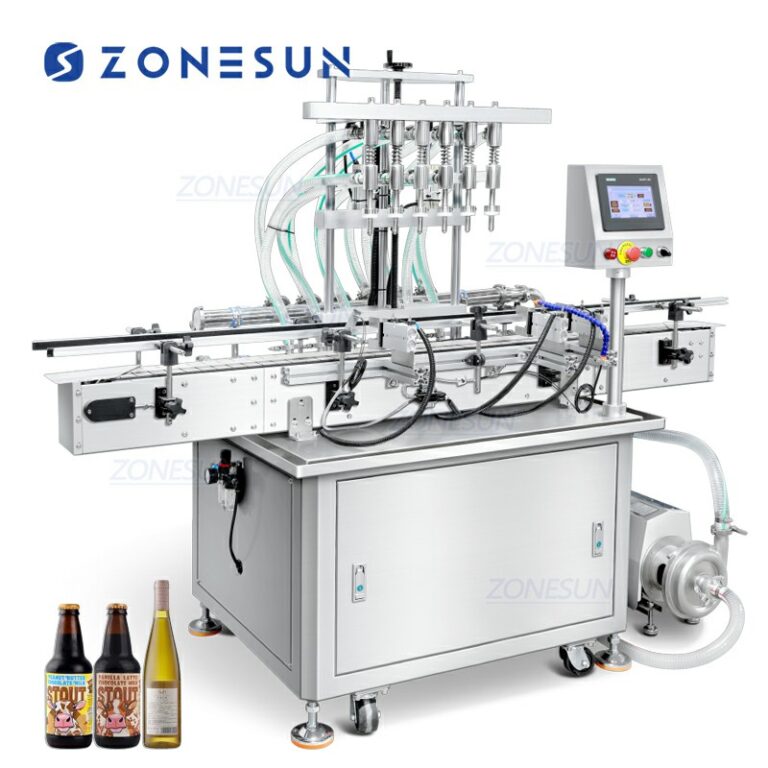
With the increased demand for spirits, there is a need for a bottling procedure that can be able to match production levels and be consistent. Gin, whisky, rum, vodka, liqueurs, and other types of alcohol can involve a number of bottling activities that include bottle rinsing, filling the liquids, capping, labeling, and checking of bottles. It becomes increasingly challenging to undertake all these procedures manually when the production levels reach thousands of bottles per day. The Spirits Filling Production Line integrates all these procedures into one continuous process. 1. What Challenges Can Automation Solve in Spirits Filling Production Line? Before making an investment in automated machinery, one must know what kinds of issues arise during spirits filling manually. Very often, the problems do not come from one specific process but from the interaction between different processes. Limited Speed of Production During manual loading, filling, and transportation of spirits into bottles,...
The yogurt market keeps growing. Shoppers want healthier, more convenient dairy — that trend isn’t slowing down. For a small or mid-sized dairy, though, packaging matters just as much as what’s inside the cup. It touches product quality, output capacity, labor costs. All at once, not one at a time. An automatic yogurt packaging machine runs filling, sealing, and output in one continuous line. Less hands-on contact than manual work requires — fewer touchpoints, fewer chances for error. Filling accuracy holds tighter. Seals come out cleaner. And more product moves out the door per hour, compared to a manual setup. Cup yogurt, drinking yogurt, Greek yogurt — doesn’t matter which. Get the packaging setup right, and production scales. Headaches, ideally, don’t scale with it. Why Small and Medium Dairy Businesses Need an Automatic Yogurt Packaging Machine Many small dairy companies start out with manual filling and sealing. Makes sense at low volume. But as production...
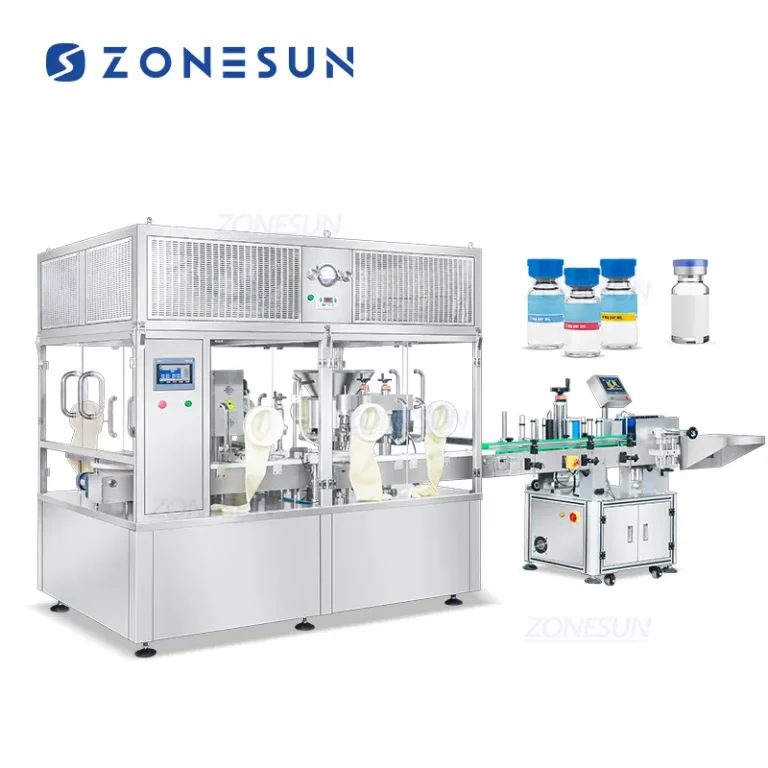
The pharmaceutical packaging process requires precision in filling, high-quality product standards, and a controlled production environment. Filling can be challenging depending on the type of product and whether the manufacturing process is manual or automatic. To maintain accurate fill volumes, pharmaceuticals must use an effective and efficient filling process. The use of a Pharmaceutical Filling Line is vital in achieving an efficient production process in the industry. 1. What Is a Pharmaceutical Filling Line? A Pharmaceutical Filling Line refers to the machinery used to automatically or semi-automatically pack pharmaceuticals in suitable containers. Depending on the application process, the line can incorporate other functions in addition to filling, such as rinsing, capping, sealing, inspecting, labeling, and cartoning, among others. The configuration of the equipment may differ based on the needs of the manufacturer. Small companies producing a few hundred containers per batch may...
In the modern manufacturing world, product authenticity and packaging aesthetics are important. When packaging electronics, medicines, cosmetics or foods, it is critical to keep the package sealed and tamper evident. This is where an automatic corner labeling machine is applied. It is an advanced equipment that can attach a single label across two adjacent sides of packages. This process creates an tamper-evident seal for the products. In this article, we will discover the work flows, applications and business advantages of running automatic corner labeling machines. Introduction of Automatic Corner Labeling System Automatic corner labeling machines perform processes of applying single self-adhesive labels to the corner or edge of products. It can be used for labeling cartons, boxes or containers. Why Corner Labeling Is Important The traditional flat labeling machine can only attach labels to single surface of products, such as top, bottom, and side. This labeling can meet the basic...