English
  Russian
  Korean
  Indonesian
  Spanish
  Thai
Thai 

In the case of manufacturers of liquid products, packaging influences not only their productivity but also ensures the protection of their products and presents their brands. A proper Filling Capping Labeling Machine consists of filling, capping, and labeling processes conducted in one combined machine. At the same time, the choice of equipment is influenced by such factors as the nature of the product, the type of container, the necessary speed,d and other conditions of manufacturing. Therefore, before purchasing, one should set these criteria and compare equipment according to its efficiency, not its price.
1. What Are the Main Functions of a Filling Capping Labeling Machine?
A modern Filling Capping Labeling Machine integrates three essential packaging operations. Understanding each stage helps manufacturers compare configurations and select suitable equipment.
Function of Filling
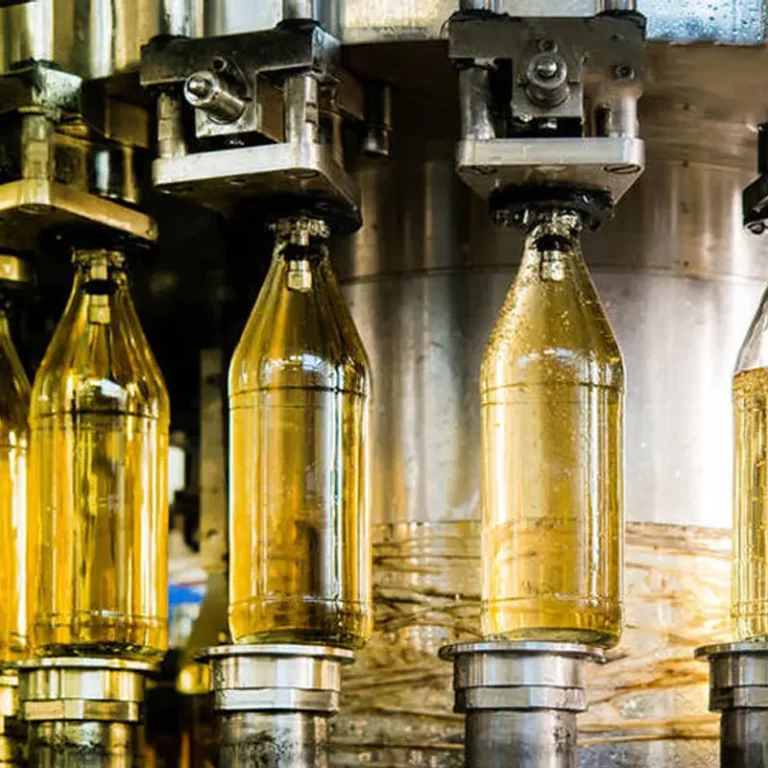
This function includes the transfer of a definite volume of product into each bottle. Such systems as piston, peristaltic pump, gear pump, and gravity filling are used for the filling process. The most appropriate method for a certain product depends on its viscosity, tendency to form foam, presence of solid particles, and accuracy of transfer of the required volume. Liquid products similar to water could be filled with gravity filling, while sauce, cream, and viscous oil need piston and/or pump filling systems. In accordance with the application, accuracy of filling could be approximately ±1%.
Function of Capping
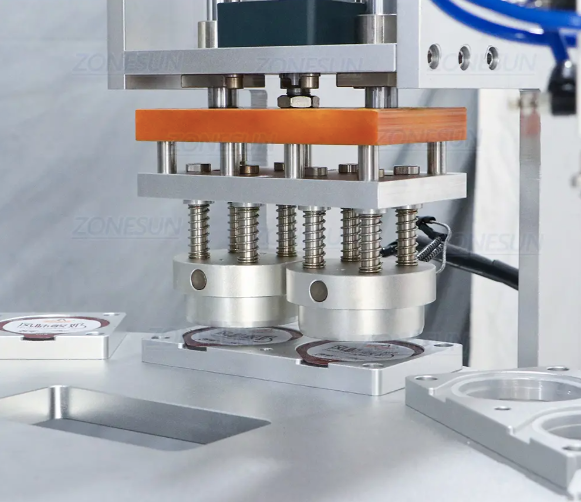
It is responsible for the placement and securing of caps after the filling process. Screw capping, press capping, and snap capping could be used. In the case of screw caps, torque control is important, as too small a torque results in leaking, while too large a torque might damage the cap and/or bottle.
Labeling Function
The labeling unit applies labels with controlled positioning. Depending on the package, it may support wrap-around or front-and-back labeling. Bottle geometry, label material, adhesive performance, and conveyor stability all affect accuracy. Synchronizing the labeling unit with filling and capping helps reduce bottle jams and label displacement.
2. Why Is the Right Selection of the Filling Capping Labeling Machine Important?
The right selection of the machine, taking into account real conditions of production, influences the productivity, quality, and operational costs of the process. A too-small machine leads to bottlenecks, while a too-big machine increases investment and maintenance costs without increasing useful production capacity.
Improve Production Efficiency
An integrated line can reduce manual transfers between packaging stages and maintain a more consistent production flow. When comparing equipment, manufacturers should consider rated speed as well as changeovers, material replenishment, cleaning, and short stoppages.
Ensure Packaging Accuracy
Uniform volume of filling and proper placement of the caps and labels result in more uniform final products. Proper synchronization of operations also helps to decrease the number of poorly filled bottles, loose caps, and misplaced labels.
Decrease Labor and Operational Costs
Automation reduces labor expenses and minimizes losses due to non-uniform handling. Overall cost includes labor costs, maintenance costs, power consumption, downtime, spare parts, and service life – not only the cost of equipment itself.
3. What Factors Should You Consider When Choosing a Filling Capping Labeling Machine?
The most reliable way to select a Filling Capping Labeling Machine is to define technical requirements before comparing models.
Product Characteristics
Before choosing the machine for filling, it is necessary to take into account such product features as its viscosity, tendency to foam, particulates, temperature, and compatibility of materials. A basic specification sheet should include the product type, viscosity range, filling temperature, target volume, and cleaning requirements.
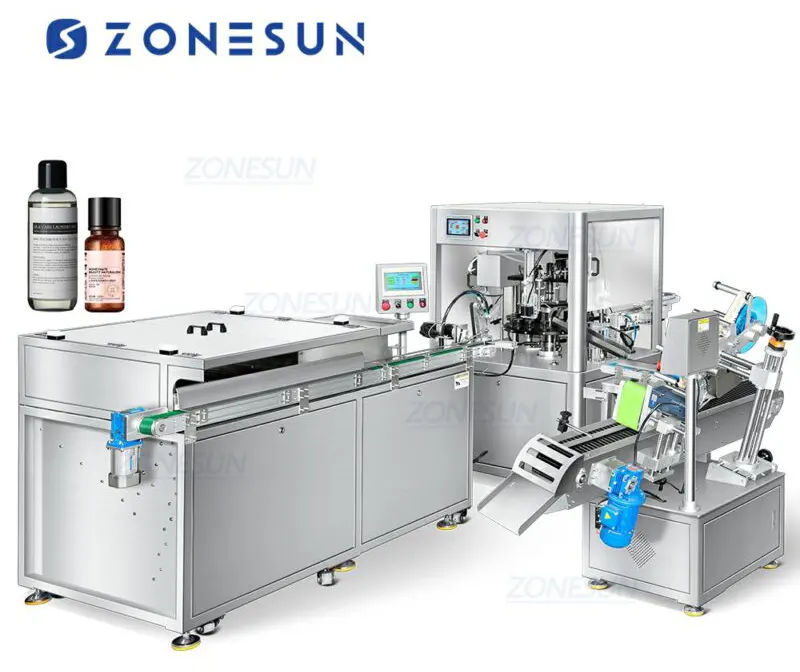
When handling small-volume liquids that require hygienic and flexible filling, the ZS-FALU7 Automatic Liquid Extract Small Bottle Filling Capping Labeling Machine can be a suitable option. Its peristaltic filling system is well suited to products such as essential oil blends, syrups, and collagen drinks, with features including:
- Peristaltic filling system for controlled and consistent liquid filling
- Easy-to-replace hoses for convenient product changeovers and maintenance
- Easy cleaning to support hygienic small-bottle packaging
- Integrated filling, capping, and labeling for a more streamlined packaging process
Bottle Size and Shape
Record bottle height, diameter, material, neck size, cap dimensions, and label size. If one line handles several formats, ask about adjustment ranges and changeover time. A machine designed for 50–500 mL containers, for example, may not automatically handle every bottle shape in that volume range.
Production Capacity
Calculate capacity from actual demand. If the factory requires 12,000 bottles in an 8-hour shift, then the average requirement is 1,500 bottles per hour or 25 bottles per minute. A little buffer capacity may be considered to cater for disruptions and future growth.
Level of Automation
Semi-automatic equipment can suit small batches and flexible production. When stable production output and reduction in manual labor become important, then automation is the best option. Full automation can include feeding, filling, capping, labeling, coding, and conveying operations.
Machine Material and Hygiene
Due to its durability and easycleaning characteristics, stainless steel has been widely adopted. Product-contact parts should match the product and applicable industry requirements. For food and cosmetic production, hygienic design and accessible contact components can be as important as speed.
Flexibility and Future Expansion
Inquire whether the machinery can link to conveyors, coding, inspection, and packaging machinery. Modular machines can make future upgrades easy and also make it unnecessary to replace the whole assembly line in case of future increases in production output.
4. How should you choose a proper machine based on your production requirements?
Choosing the right Filling Capping Labeling Machine depends mainly on production volume, product characteristics, bottle format, and future growth plans.
For Small-Scale Production
For startups and small-volume producers, semi-automatic or compact automatic machines are usually a practical choice. A capacity range of approximately 10-30 bottles per minute can provide flexibility in production with a lower initial investment. If future production growth is anticipated, then select a machine that is upgradable in the future.
For Medium-Scale Production
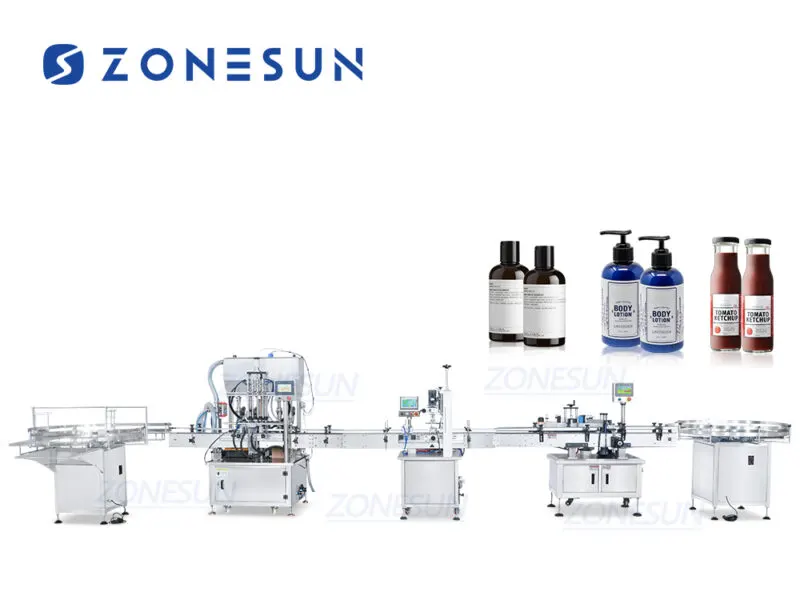
For medium-sized producers, the installation of an automatic filling, capping, and labeling machine can be a good option when higher efficiency and consistency in packaging are needed. Here, the ZS-FAL180F2 Automatic Avocado Oil Hot Sauce Bottle Filling Capping Labeling Machine will be a good option.
Key features that support a more streamlined production process include:
- Four-head servo filling system for accurate and consistent filling
- Automatic bottle feeding and collection for continuous operation
- Adjustable capping torque to accommodate different capping requirements
- Round-bottle labeling system for consistent label positioning
This integrated setup can help manufacturers reduce repetitive manual work while improving overall packaging consistency and production efficiency.
For High-Volume Production
In cases where the production volume is large, emphasis should be placed on factors such as speed, uninterrupted running, ease of changeover, and stability. The filling, capping, labeling, and conveying machines whose speed exceeds 100 bottles per minute might be advanced. In addition, it is also important to factor in actual production rate, changeover time, downtime, factory floor space, and after-sales service, among other considerations,s when selecting a high-speed machine instead of just the rated speed.
5. What Mistakes Should You Avoid When Buying a Filling Capping Labeling Machine?
Even a technically capable Filling Capping Labeling Machine may underperform if the purchasing process is incomplete.
Choosing Only Based on Price
Lowest quotations do not always mean the lowest overall cost of ownership. Component quality, warranty, parts availability, maintenance, and technical service should be considered during comparison.
Ignoring Product and Bottle Compatibility
Never assume equipment designed for one liquid or bottle will automatically suit another. Compatibility should be verified with actual samples.
Skipping Machine Testing
Testing with samples will be useful in identifying filling accuracy, foam generation, capping efficiency, labeling stability, and changeover requirements. Request test results instead of specifications only.
Ignoring Future Production Needs
Consider future expansion, extra bottle size, future products, and automation potential before making the configuration.
6. Conclusion
Selection of an ideal Filling Capping Labeling Machine will involve proper evaluation of product, package, production volume, automation level, cleanliness, and expansion capability among other criteria. The fastest and cheapest machine is not necessarily the best; the most suitable machine should satisfy the packaging requirement at a reasonable cost. If you require assistance in evaluating filling methods, production speed, and machine configuration, ZONESUN PACKAGING can help you design an efficient packaging solution for your application. Feel free to contact us for further information.