English
 Russian
 Korean
 Spanish
 Japanese
 Polish
 Thai
 Indonesian


The personal care and cosmetics industry continues to grow globally, resulting in varied packaging demands in commercial, industrial, and retail applications. Starting from regular 500 ml consumer bottles or environmentally friendly pouches that can be refilled up to 10 ml hotel amenity packaging, hair care producers find themselves challenged by various manufacturing needs. For commercial producers or contract packaging operations, it is an important capital expense to purchase an ideal shampoo packing machine. The choice of the right machine affects filling precision, container sealing accuracy, labor efficiency, and business profitability. Choosing the best packing machine should start with an assessment of the following factors:

Determine your Packaging Format with the Right Shampoo Packing Machine
The first step in searching for a shampoo packing machine is finding out what the main container format you work with will be. Container format determines:
Rigid Bottles and Jars
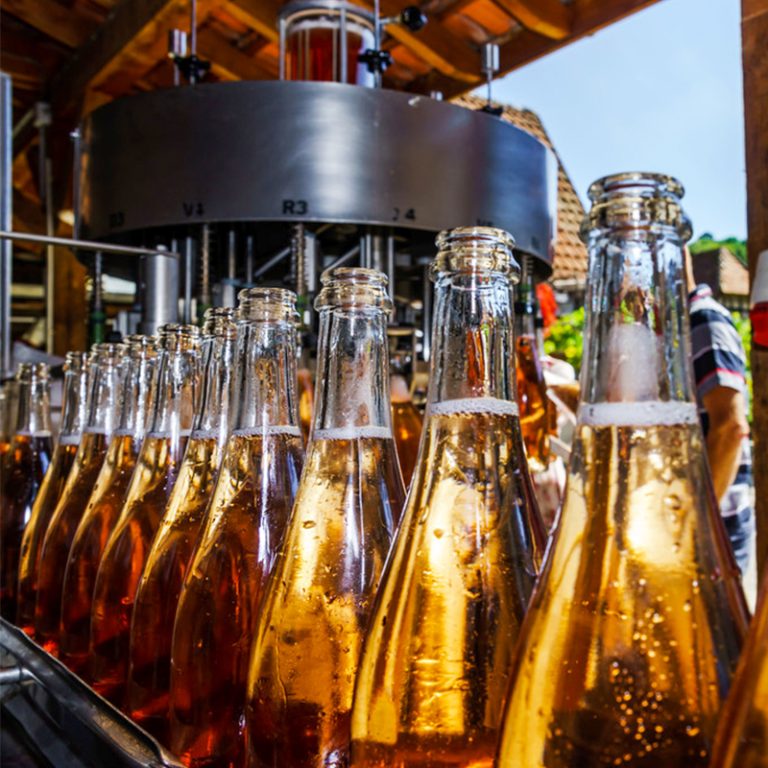
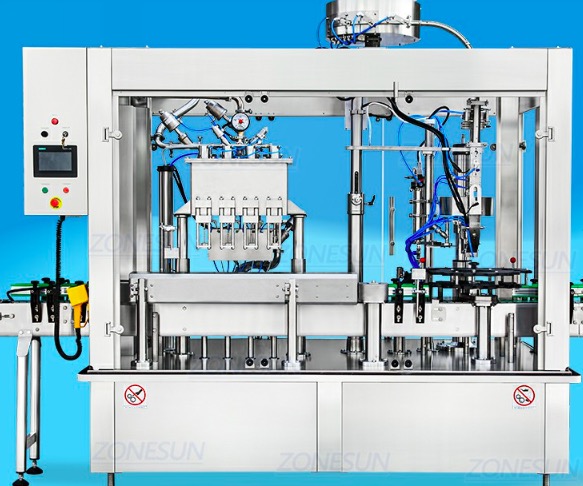
Commonly used for consumer retail products with volumes ranging from 200 ml to 1,000 ml. An example of automation in the rigid packaging line is an automated bottling system engineered with servo-powered piston filling machines, anti-drip diving nozzles, and an inline capping station. This type of automated line allows efficient processing of thick, viscous fluids ranging from 200 ml to 1,000 ml; therefore, it may be considered a good automated solution for main-line hair care packaging.
Small Sachets and Stick Packs
Sachets and stick packs are commonly used as hotel amenities, trial sizes, and travel-size products. Their capacity will vary from 5 ml to 30 ml. In order to create leak-proof packaging, the vertical form-fill-seal systems need precise heat-sealing jaws.
Stand-Up and Spout Pouches
Mostly used for refills in bulk (300 ml to 1,500 ml). Special equipment for the filling and capping of pre-made pouches is able to weld leak-proof seals at spout fitments.
Consider Product Viscosity and Liquid Characteristics in Shampoo Packing Machine Selection
The dynamics of flow in shampoos, conditioners, hair mask treatments, and scalp treatments are quite dissimilar. The fluid’s viscosity is very variable, from 1,000 cPs in light clarifying shampoos to over 18,000 cPs in intensive hair conditioner creams. Engineering that accounts for fluid viscosity needs to be incorporated into the construction of your shampoo filling machines:
Metering Pump Operation Principles
- Volumetric Pump Operation– Operated either pneumatically via cylinder or digitally via servo drive, the volumetric piston pump allows positive displacement suction. This type of pump has no trouble pumping out dense and thick creams with viscosities ranging between 3,000 cPs and 15,000 cPs. Dosage control is precise up to ± 0.5%.
- Rotor Pump and Gear Pump Operations – Best for high-viscosity or clear formulas. These machines are usually built with a servo motor, which can achieve quantitative filling of viscous liquids.
Stringing Prevention and Anti-Drip Control
Viscous shampoos tend to create trailing liquid threads as the filler nozzle withdraws. Droplets falling on the necks of bottles and/or sealing regions of pouches prevent proper heat seals and cause batch rejection. Designing a good shampoo filling machine solves this problem by using pneumatic shut-off nozzles and bottom-up fill heads that lift along with the increasing liquid level.
Foam Formation and De-Aeration
High foaming solutions arise from the presence of surfactants that create foam during the agitation and dispensing process. The aeration process causes inaccurate volumetric dispenses as well as false readings of liquid levels. Bottom-up filling heads and anti-foaming baffles are used to ensure constant density during the high-speed dispensing process.
Evaluate Required Production Speed and Automation Level for Your Shampoo Packing Machine
Matching equipment processing speed with current business needs, but not compromising future growth capability, will help avoid bottlenecks. Throughput of equipment is measured in bottles per minute (BPM) or pouches per minute (PPM):
| Automation Category | Standard Output Range | Operational Application | Key Structural Features |
| Semi-Automatic Fillers | 10 to 25 BPM | Pilot lines, laboratory testing, small custom batches | Foot-pedal actuation, single-head piston dosing |
| Automatic Single or Dual Lane | 30 to 80 PPM | Medium-scale facilities, frequent SKU rotation | PLC controls, automatic bottle conveying and liquid filling |
| Multi-Lane High-Speed Lines | 120 to 300+ PPM | High-volume contract factories, 24/7 manufacturing | Multi-channel servo sync, automatic filling |
Multi-lane parallel operations in the manufacture of flexible pouches ensure exponential production growth within a limited factory area. A good example is the ZONESUN ZS-FS500Y-2 Shampoo Sachet Packing Machine. The machine is customized according to sachet sizes and shapes. With two channels, it can efficiently form, fill, seal, and cut the sachets at the same time. The machine capacity can reach 60-70 bags per minute.

Select Shampoo Packing Machines That Are Easier to Clean, Maintain, and Compliant
Rapid product changeovers from one product, like herbal shampoo, to another, such as anti-dandruff shampoo, necessitate a swift washing process to ensure cross-contamination does not happen and high OEE is maintained.
CIP Feature and Easy Disassembly Design
While selecting a shampoo packing machine, ensure that the machines have the ability for clean-in-place circulation connections and tool-free tri-clamp sanitary connections.
Material Quality and Sanitary Standards
All liquid-contact components must be constructed from SUS316L stainless steel to resist chemical corrosion from active surfactants and fragrance oils. Exterior machine casings must be made of SUS304 stainless steel and have an IP65 protection rating as per international GMP sanitary standards and CE safety certification.
Intelligent PLC Diagnosis and Preventive Maintenance
State-of-the-art automatic packaging lines feature PLCs that come equipped with intelligent color touch screen HMIs. Real-time diagnosis systems automatically inform about possible seal degradation and potential clogging in the liquid line, measuring air pressure, temperature stability, and other important parameters of the filling process.
Conclusion
In order to choose an appropriate shampoo packing machine, one must take into account various parameters such as container shapes and sizes, viscosity of liquids, and other requirements for output rates and maintenance. It allows not only guarantee high quality of the product, but also save money spent on manpower.
If you have any questions about the choice of a shampoo packing machine, testing of liquid viscosity, and even complete packing line design, do not hesitate to contact ZONESUN PACKAGING at any convenient time.