English
 Russian
 Korean
 Spanish
 Japanese
 Polish
 Thai
 Indonesian


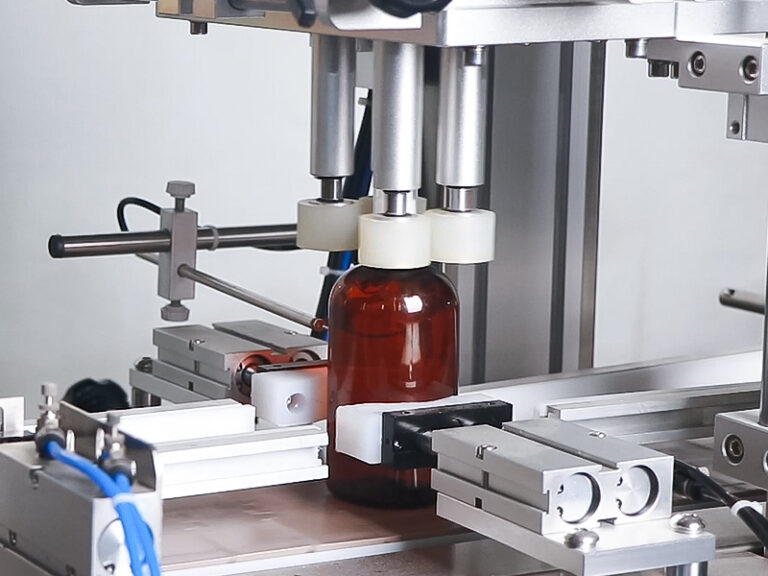
Industrial packaging machines are an essential part of modern manufacturing and production lines. They are commonly used in factories that manufacture cosmetics, food, beverages, household chemicals, and medicines. Recently, some of our clients have raised valid concerns regarding electrical fires caused by machine overcurrent conditions in automated production environments. Industrial packaging machines are equipped with heavy-duty motors and complex PLC control system, which always operate continuously under high thermal and mechanical loads. Therefore, electrical overcurrent is a critical risk factor that factories must proactively manage.
In order to maintain a safe production environment, manufacturers and factory operators should understand the causes of overcurrent issues and the way to prevent it. In this guide, we will discover the common causes of machine overcurrent, troubleshooting procedures, preventive measures, and recommended protection devices.
1. The Root Causes Of Overcurrent In Industrial Packaging Machines
Overcurrent can be caused by a variety of electrical and mechanical factors. Identifying the root cause can help to prevent equipment damage and fire hazards. Here are the common causes:
A. Motor Overload
Many components of industrial packaging machines are powered by electric motors. When the motor operates under excessive mechanical load, its current may exceed the rated operating value.
Common reasons include:
- Conveyor belts carrying excessive product loads.
- Mechanical components becoming stuck or jamming.
- Incorrect machine speed or operating parameters.
- Worn bearings increasing mechanical resistance.
- Insufficient lubrication in moving components.
Continuous motor overload will lead to excessive heat accumulation, which damages the motor’s insulation and shortens its service life.
B. Short Circuits
A short circuit occur when electric current flows through an unintended low-resistance path.
In an industrial packaging machine, short circuits may result from:
- Cable insulation layer getting damaged or aging.
- Loose electrical connections.
- Incorrectly connected wiring during installation.
- Conductive dust, moisture or foreign materials entering electrical enclosures.
Short circuits may generate high fault current. It can lead to electrical arcing, component damage and fire.
C. Incorrect Voltage or Power Supply Problems
Unstable or unsuitable power supplies will affect the electric performance of packaging machines. For example:
- Voltage fluctuations may cause abnormal operation of motors and electrical components.
- When the voltage is low, the motor may draw more current to maintain the required load.
- Incorrect supply voltage can damage the electrical components.
- Phase imbalance in a three-phase power supply may cause excessive current in the motor winding.
Before installing the industrial packaging machines, the factory should check if the power supply conditions meet the equipment’s specified requirements.
D. Damaged or Aging Electrical Components
The electrical components naturally deteriorate over time. This process is particularly pronounced in equipment that operates continuously or is subjected to high temperature or humidity.
Potentially affected components are contactors, relays, variable frequency drives, circuit breakers, motor windings.
E. Thermal Heater Failures
Sealing bars operates using a high-power heating element. An internal short circuit or the aging of the insulation layer within the heating element can cause sudden, massive current spikes.
2. Troubleshooting For Machine Overcurrent Faults
If an industrial packaging machine triggers an overcurrent alarm or causes a circuit breaker to trip, operators must not repeatedly reset the machine without first identifying the root cause. The following troubleshooting procedure can help maintenance personnel identify potential causes.
Step 1: Stop the equipment safely and check for alarm messages. Record the alarm code or fault message displayed on the control panel. Then identify the timing of the fault occurring.
Step 2: After safely disconnecting the power source from the equipment, check for any obstructions or abnormal resistance affecting the moving parts. If you find the mechanical obstruction, remove it according to the maintenance procedure of manufacturers. Please don’t try to clear a jam when the equipment is powered on.
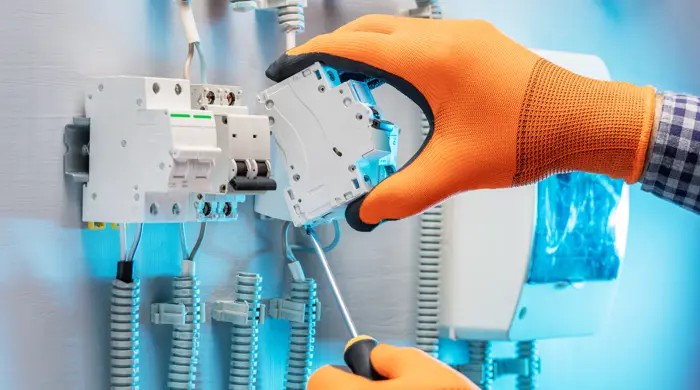
Step 3: Let qualified electrical maintenance personnel inspect the electrical wiring and connections. Check for:
Loose or disconnected terminals.
Burnt or discolored wires.
Damaged cable insulation.
Overheated connectors and contactors.
Moisture or dust accumulation inside the electrical cabinet.
If the wiring or components are damaged, you should repair or replace them with correctly rated parts.
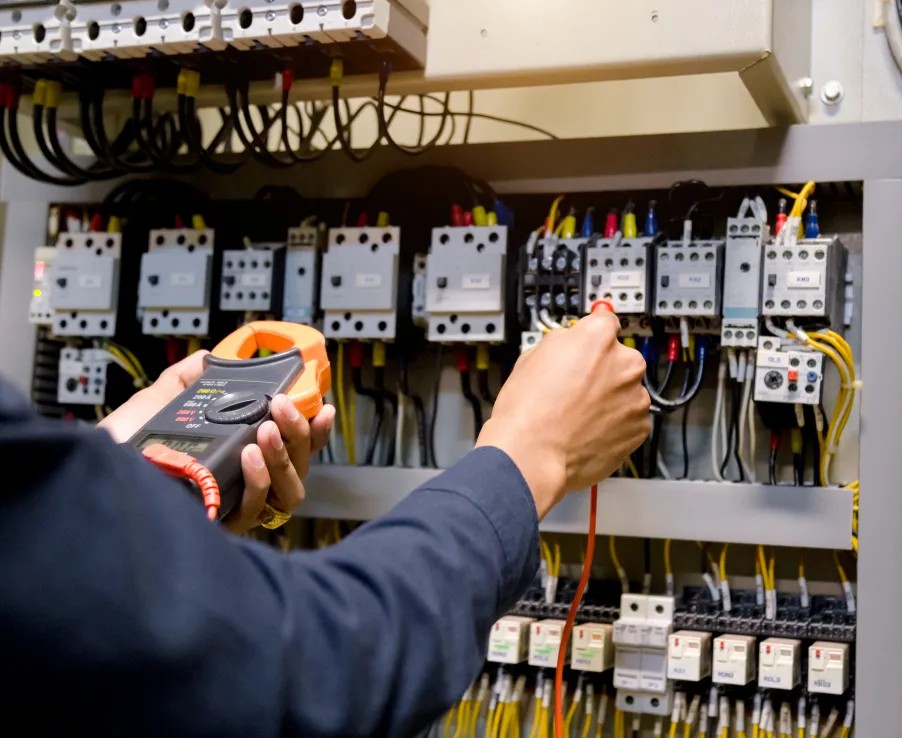
Step 4: Make qualified electrician check the motor current. If the phase current is abnormally high, investigate the cause first. The cause may include phase imbalance, connection faults, power supply issues, or motor winding damage.
Step 5: Inspect the protective devices including circuit breakers, fuses, motor protection relays. Check whether they are correctly rated and configured for the machine’s electrical design. If a protective device trips frequently, determine whether it is operating due to an actual fault or has been damaged.
Step 6: Once the fault has been identified and repaired, qualified personnel should verify that:
All repair work has been completed correctly.
Protective devices are in proper working order.
Electrical enclosures have been securely closed.
Guards and safety equipment have been restored.
All personnel are clear of the hazardous area.
The machine is safe to energize.
Restart the industrial packaging machine according to the manufacturer’s procedure and monitor its operating performance.
3. Preventive Measures To Reduce Overcurrent Risks
Preventing overcurrent is more effective and economical than dealing with equipment malfunction and electrical fire. Factories should adopt a combination of standardized installation, appropriate electrical protection, correct operation, and preventive maintenance.
A. Ensure Standardized Machine Installation
Before installing an industrial packaging machine, ensure that the factory’s power supply meets the manufacturer’s electrical requirements. Key considerations include:
Correct voltage and frequency.
Correct cable size.
Proper grounding and bonding.
Suitable electrical protection.
Compliance with local electrical installation regulations.
B. Avoid Machine Overload
Operators should operate the industrial packaging machine within its specified production capacity. Please avoid:
Running the conveyor beyond its designed load capacity.
Increasing the production speed beyond the recommended limit.
Operating equipment while mechanical components are damaged or obstructed.
If production requirements change, please consult the machine manufacturer to determine whether adjustments or equipment upgrades are necessary.
C. Maintain Proper Ventilation and Cooling
Electrical cabinets, motors and drive systems generate heat during operation. Ensure that:
Ventilation openings of the electrical cabinet are unobstructed.
Cooling fans are operating normally.
Air filters keep clean.
Motors have an adequate supply of cooling airflow.
Ambient temperature remains within component specifications.
D. Keep Electrical Environment Clean and Dry
Dust, moisture and debris can have an adverse effect on electrical equipment. The electrical cabinet should be kept closed, and maintain appropriate ingress protection rating suitable for the actual factory environment. Where necessary, implement suitable ventilation, filtration or environment protection measures.
E. Provide Training to Machine Operators
Operators should understand the machine’s normal operating state and be able to recognize early warning signs. Training should cover:
Common overcurrent alarms.
Abnormal noise from the motor.
Abnormal heating or a smell of burning.
Smoke or visible electrical damage.
Emergency shutdown procedures.
Safe shutdown procedures.
4. Recommended Additional Overcurrent Protection Measures
An effective protection system is one of the most important ways to reduce the risk of electrical damage and fire in industrial packaging machine. Here are some recommended protection devices (should be selected according to the machine’s electrical design):
- Circuit Breakers: Protect electrical circuits by preventing excessive current caused by overloads or short circuits. When the current exceeds the set protection threshold, the breaker can automatically cut off the circuit.
- Fuses: Provide protection against excessive current by melting and breaking the circuits when the current exceeds their specified operating characteristics.
- Motor Overload Protection Relays: Protect the motors from sustained overload conditions. They can monitor the motor current and trigger a trip when the overload exceeds the defined operating characteristics.
- Temperature Monitoring and Thermal Protection: Can provide additional protection against overheating. Viable solutions include: Motor winding temperature sensors, electrical cabinet temperature sensors, thermal protection devices, bearing temperature sensors, and so on.
- Emergency Stop: Allows operators to initiate a shutdown in the event of an emergency.
5. Routine Maintenance And Inspection Of Industrial Packaging Machines
A preventive maintenance program helps to identify and address potential issues before they lead to equipment failure. Here is a suggested preventive maintenance checklist for industrial packaging machines:
|
Inspection Items |
Recommended Frequency |
| Check for unusual noises, vibrations, or smells |
Daily |
|
Check for visible damage to the cables |
Weekly |
| Clean the ventilation filters and openings |
Weekly or as needed |
|
Inspect mechanical transmission components |
Weekly |
| Check motor current and alarm information |
Monthly |
|
Check the settings and operational status of the protection devices |
Periodically |
Maintaining accurate inspection records is equally important. The date of the inspection, issues identified, measured values, corrective actions taken, and the personnel responsible should all be documented.
6. What To Do When An Electrical Fire Happens
Even with proper electrical protection measures and routine maintenance, electrical fires can still due to unexpected faults. Learning about the correct response methods helps to minimize losses.
Step 1: Stop the Machine and Raise the Alarm
If smoke, sparks, or flames occur, immediately activate the appropriate emergency alarm and alert the nearby personnel. Stop the machine running, while ensuring the safety of yourself and others.
Step 2: Evacuate Personnel
Direct all personnel away from the affected industrial packaging machines, and follow the facility’s emergency evacuation procedures. Keep the passageways and emergency exits clear. Contact the local fire department or emergency services immediately.
Step 3: Disconnect the Power Supply if Safe
Authorized personnel shall operate the appropriate emergency power-cutoff device if the main power supply can be safely disconnected. Please note that don’t approach the exposed electrical conductors or touch the damaged electrical equipment. If it is not possible to safely cut off the power supply, evacuate immediately and leave the scene to be handled by professionally trained emergency responders.
Step 4: Use the Fire Extinguisher If Personnel is Trained and Safe
Carbon dioxide extinguishers and approved dry chemical extinguishers are appropriate. Please don’t use water or ordinary foam extinguisher agents on energized industrial packaging machines.
Step 5: Do Not Restart the Machine
After extinguishing the fire, do not immediately reconnect the power or restart the industrial packaging machine. The machine may have problems of hidden electrical damage, compromised insulation, or damaged protective devices.
Before resuming the operation, the following actions must be performed:
- Arrange for qualified personnel to conduct an electrical inspection.
- Determine the root cause of the fire.
- Replace the damaged electrical components and wiring.
- Verify the circuit protection devices and grounding conditions.
- Inspect the control cabinet, motor and drive system.
- Document the sequence of events and take corrective measures to prevent such incidents from recurring.